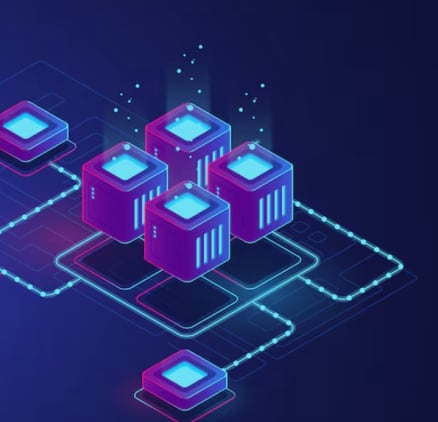
Blockchain technology offers a new way to record and verify information across a network of computers. Instead of relying on a single central authority, data is distributed among many participants. This structure promotes transparency and makes records difficult to alter without consensus.
Blockchain provides a shared, immutable record of transactions or data. Each participant in the network holds a copy, which reduces single points of failure. Changes require agreement from the majority, preventing unauthorized edits. This technology can be applied to supply chains, identity verification, and many other fields.
Data is stored across many nodes rather than one server. This removes reliance on a single entity and increases resilience against outages or attacks.
All authorized participants can view the same information in real time. This visibility helps build trust among parties who may not know each other.
Once information is added to the blockchain, it cannot be changed retroactively without altering all subsequent blocks. This feature provides a reliable audit trail for critical data.
We create educational content about blockchain technology and its potential applications. Our blog breaks down complex concepts into understandable explanations for readers at any level. We analyze emerging trends in distributed systems without promoting specific projects or tokens. Our team researches real-world uses of blockchain beyond digital currencies, such as document timestamping and supply chain tracking. Through articles, guides, and case studies, we aim to demystify how decentralized ledgers function.
We also develop open-source resources that demonstrate blockchain principles in action. These include interactive simulations of consensus algorithms and visualizations of hash functions. By building small prototypes, we show the logical steps behind data verification and block creation. Our work emphasizes the technical architecture rather than speculative value. We believe that understanding the underlying technology empowers individuals and organizations to make informed decisions about adopting blockchain solutions.
Consensus mechanisms are the rules that allow blockchain networks to agree on a single version of truth. Different algorithms exist, each with its own approach to validating new blocks. Some methods rely on random selection, while others use rounds of voting among nodes. Understanding these mechanisms reveals how trust is established without a central authority. This article explains common consensus models in simple terms.
Tracking products from origin to consumer can be challenging with traditional databases. Blockchain provides a shared ledger where each step of the journey can be recorded immutably. Participants such as manufacturers, shippers, and retailers can all add verified entries. This creates an auditable history that helps detect delays or discrepancies. We explore how this technology improves accountability in logistics.
Hashes are mathematical functions that convert any input into a fixed-size string of characters. In blockchain, hashes link blocks together and protect data integrity. Even a tiny change in the original information produces a completely different hash. This property makes tampering immediately detectable. Our article breaks down how hashing secures the chain.
Traditional identity systems store personal data in centralized databases that can be vulnerable to breaches. Blockchain offers a way for individuals to control their own digital credentials. Instead of handing over documents to third parties, users can present verifiable proofs. This approach reduces reliance on password databases and single sign-on providers. We discuss the potential of self-sovereign identity models.
Verity Compass was founded to provide clear, unbiased information about blockchain technology. We noticed that many discussions around this topic are filled with jargon or speculative claims. Our mission is to focus on the technical fundamentals and practical applications. We are a small team of writers, developers, and researchers passionate about distributed systems. Every piece of content we publish aims to be accessible and accurate.
We do not promote any specific cryptocurrency, platform, or financial instrument. Our blog is strictly educational and technology-focused. We believe that understanding how blockchains work is valuable knowledge for the digital age. Our readers include students, professionals, and curious minds from various industries. By avoiding hype and exaggeration, we strive to be a reliable source of blockchain education.
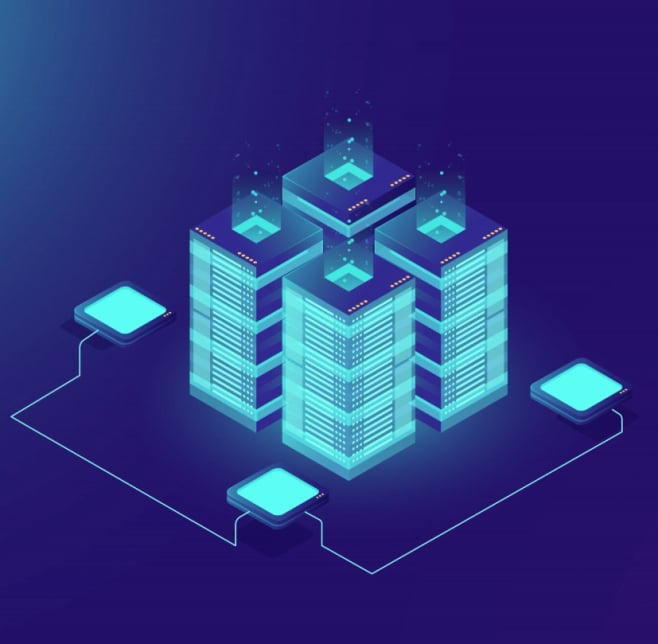
A blockchain is a digital ledger where information is grouped into blocks and linked together using cryptography. Each block contains a timestamp, a reference to the previous block, and a set of records. The entire chain is distributed across many computers, making it resistant to modification.
Yes, many applications of blockchain do not involve any form of digital money. Examples include tracking product origins, securing academic credentials, and timestamping documents. The technology’s strength lies in its ability to create shared, immutable records, regardless of any associated token.
Energy consumption varies greatly depending on the consensus mechanism used. Some methods require significant computational work, while others are designed to be lightweight. Newer algorithms can achieve security with much lower energy demands. It is a design choice rather than an inherent property of all blockchains.
While both store information, blockchain differs in key ways. A traditional database can be centralized and allows easy editing, whereas a blockchain is decentralized and append-only. Blockchain also includes built-in consensus mechanisms that coordinate updates across many participants.
Not necessarily. There are public blockchains where anyone can read the data, but there are also private or permissioned blockchains. In permissioned networks, access to information can be restricted to selected participants. Encryption techniques can further protect sensitive details.